Interpretation of blood results courses

Course suitable for :

Our Interpretation of Blood Results training course is ideal for a wide range of healthcare professionals who are involved in patient care and diagnostics.

The course is designed for any healthcare professional who is seeking to improve their confidence and competence when interpreting blood tests, whether this is for investigation/diagnosis, escalation, chronic disease management or for screening for health issues.

  • Nurses.
  • Physiotherapists.
  • Associate Nurses.
  • Healthcare Assistants.
  • Physician Assistants.
  • Paramedics.
  • Dietitians.
  • Nutritionists.
  • Trichologists.
  • Pharmacists.
  • Occupational Health Professionals.

Interpretation of blood results training

Course content

  • Importance of history-taking.
  • Documentation.
  • Anaemia.
  • Classification of anaemia.
  • Polycythaemia.
  • Sickle cell trait and disease and the thalassaemia's.
  • White blood cells.
  • Platelets.
  • Coagulation.
  • B12, folate and iron studies.
  • Inflammatory markers.
  • Urea & Electrolytes.
  • eGFR and CKD.
  • HbA1C.
  • Thyroid function tests.
  • Liver function tests.
  • Bone profile.
  • Vitamin D.
  • Urate and gout.
  • Cancer markers.
  • B-natriuretic peptide and cardiac troponins.
  • Creatine kinase.
  • Lipid profile and Q Risk 3 score.
  • Red flag values.

Understanding blood results

Learning outcomes

  • Understanding the context of how practitioners can utilise the knowledge gained on the course and how to engage with the competencies using Benners model.
  • An overview of how we measure cells and chemicals in the blood.
  • Able to understand the signs and symptoms of anaemia.
  • Be able to differentiate between microcytic, normocytic and macrocytic anaemia.
  • Understands the different causes of a raised haemoglobin.
  • Gain understanding of Sickle cell trait and disease and the thalassaemia's.
  • Can differentiate between the different white blood cells and understands the causes in a rise or fall.
  • Able to differentiate between the intrinsic and extrinsic coagulation pathway. Can explain the components of a clotting screen.
  • Can explain the function of platelets and can give reasons for an increase and decrease.
  • Understands when it would be appropriate to request B12, folate and iron studies. Can give reasons for abnormalities.
  • Understands the use and relevance of inflammatory markers such as C-Reactive Protein and Erythrocyte Sedimentation Rate.
  • Be able to explain the different components of the Urea & Electrolytes and can give reasons for abnormalities.
  • Be able to understand how to interpret the eGFR with regard to chronic kidney disease.
  • Understands diagnostic criteria for Diabetes based on blood glucose & HbA1C.
  • Have the ability to interpret Thyroid function tests in hypo/hyper/compensated/treated states.
  • Understand what contributes to the liver function tests and reasons for abnormalities.
  • Understands the components of a bone profile and when to request/refer to medical team.
  • Able to explain Vitamin D Deficiency & Insufficiency. Understands the lifestyle advice which help to increase Vitamin D levels.
  • Understands how to investigate a patient with possible gout.
  • Able to explain the use of cancer markers and relevance in practice.
  • Understanding of how we use B-natriuretic peptide in heart failure and cardiac troponins in acute coronary syndrome.
  • Understands the risks and benefits of statin therapy.
  • Can interpret a lipid profile and calculate the Q Risk 3 score.
  • Develop a strategy for triaging blood results and understands critical "red flag" results.

Blood panel and blood work

What does blood result interpretation involve?

Blood interpretation results refer to the process of analysing and understanding the data obtained from a blood test, which is a laboratory analysis of a blood sample typically drawn from a vein.

Often called a blood panel or blood work, these tests provide a "snapshot" of the body's current physiological and biochemical state. Interpreting these results involves evaluating the levels of various blood components, such as red and white blood cells, platelets, electrolytes, and enzymes, to diagnose conditions, monitor treatment progress, assess organ function, and identify potential health issues.

This interpretation requires careful analysis in conjunction with the patient's clinical presentation, medical history, and physical examination to ensure accurate and meaningful insights.

Medical professionals

What is the purpose of blood tests?

Blood tests serve as a vital and frequently used medical tool. They are requested by medical professionals for a variety of purposes, such as:

  • To assess a patients overall health during routine check-ups.
  •  To assess the functioning of organs like the kidneys, liver, heart, or thyroid.
  • To assist in identifying conditions such as cancer, diabetes, heart disease, anaemia, or bleeding and clotting disorders.
  • To detect health issues in their early stages, often by screening for biomarkers that could signal the presence of cancer.
  • To track chronic health conditions (such as diabetes or high cholesterol) or assess the effectiveness of a treatment.
  • To evaluate how effectively a patients immune system combats infections.
  • To determine the most effective therapies and guide a patients treatment plan.

Collecting blood samples

Venepuncture procedure

Sample Collection

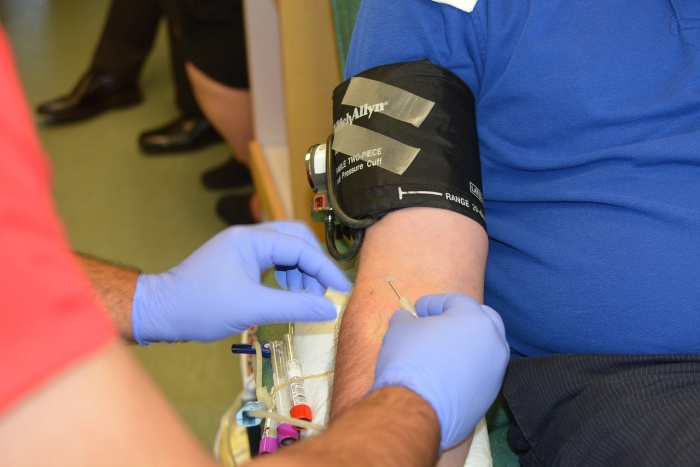
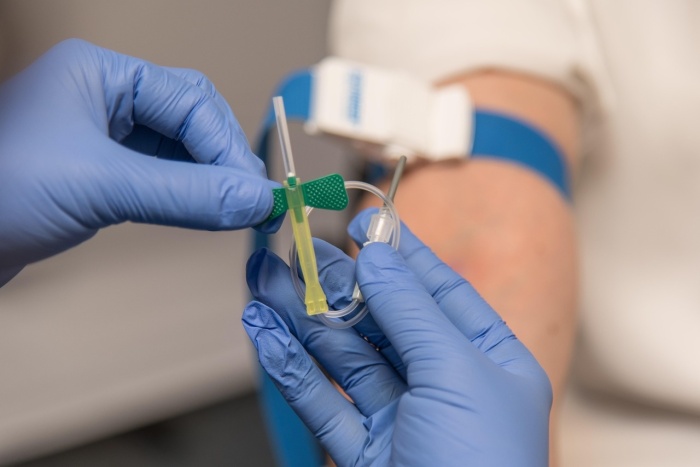
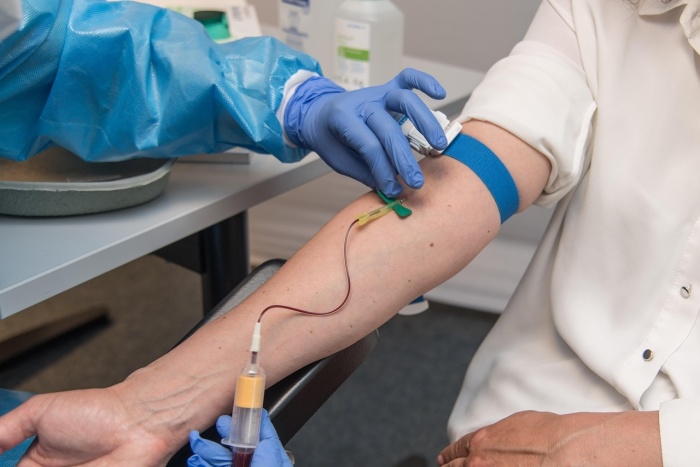
Blood is usually collected from a vein in a patients arm through venepuncture with a small needle. The most ideal site is the Antecubital fossa which is the triangular-shaped hollow depression between the forearm and the anatomical arm. The antecubital fossa is on the front side of the elbow.

Who Conducts the Test

Blood samples are typically collected by skilled healthcare professionals, including phlebotomists, nurses or healthcare assistants.

Preparation

Most tests don't require special preparation. However, some may need fasting though this is less common nowadays . Ensuring the patient is well-hydrated can also help make the venepuncture procedure easier.

Explanation

A good explanation to the patients may help to reduce anxiety . A good strategy is to explain that they might experience a quick pinch or slight sting as the needle is inserted. Also that the procedure is very quick and often taking under 5 minutes. Once the sample is taken, apply a plaster or temporary dressing.

Results

Once the blood test has been processed, ideally ring the patient with the results or discuss them at an in person review with you or the doctor. Blood tests are usually available within 1-2 days.  Some patients can access their results themselves once they have been checked via the NHS App or similar. This is becoming much more popular as patients become more familiar with the use of technology.

Healthcare professionals

Interpreting blood test results

Reference ranges are key

Interpreting blood test results involves understanding the values in the context of reference ranges, which serve as benchmarks for what is considered normal. These ranges can vary between laboratories due to differences in equipment, testing methods, and population data used to establish them. Therefore, it’s essential to rely on the specific reference ranges provided in your lab report rather than generalizing results.

Additionally, factors such as age, sex, medical history, and current health conditions can influence the interpretation of these results. Consulting with a healthcare professional is vital to accurately assess what your blood test results mean for your overall health.

Beyond the numbers

Interpreting blood test results requires a nuanced understanding, as a result outside the reference range does not automatically indicate a health problem. Reference ranges are designed to encompass the values seen in most healthy individuals, but it’s not uncommon for healthy people to occasionally fall outside these parameters. Similarly, an abnormal result might resolve on its own without intervention.

On the flip side, a result within the normal range doesn’t necessarily guarantee perfect health or rule out underlying issues, particularly if symptoms persist. Blood test results are just one piece of the puzzle and must be considered alongside other factors like symptoms, medical history, and physical examinations.

Context is key

Context should be considered when evaluating blood results, as individual health profiles—such as age, gender, ethnicity, pre-existing conditions, and current medications—can significantly influence interpretation. Trends over time often provide more valuable insights than a single test result, which is why using the same laboratory for repeated tests can ensure consistency in measurements.

Additionally, laboratory comments included in your report are typically intended for medical professionals and may require explanation from your doctor to fully understand their implications. Always consult with a healthcare provider to interpret your results accurately and determine the next steps, if any, for your health.

Critical thinking

Interpreting blood results is a multi-faceted process that demands critical thinking and diagnostic reasoning to accurately assess a patient's health status and inform subsequent medical decisions. It involves analysing various parameters, such as red and white blood cell counts, haemoglobin levels, and biochemical markers, to identify patterns or deviations from normal ranges.

Clinicians must consider the patient's medical history, symptoms, and potential external factors, such as medications or lifestyle, to differentiate between benign variations and indicators of serious underlying conditions. This careful evaluation ensures that abnormalities are not only identified but also contextualised, enabling targeted interventions and effective patient care.
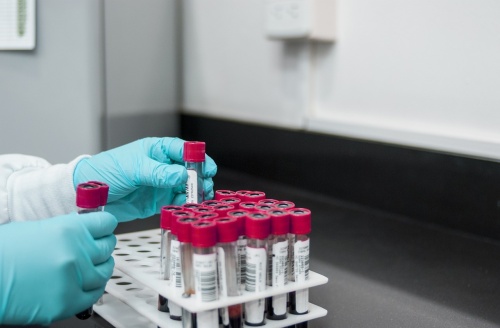

Blood tests

Common types of blood tests

  • Full blood count

    - evaluates red blood cells, white blood cells, and platelets to assess overall health and detect various conditions.

  • Urea and Electrolytes

    -  Assesses Sodium, Potassium, Urea, Creatinine and estimated Glomerular Filtration Rate (eGFR).

  • Liver function tests

    - Measures liver enzymes, bilirubin and albumin.

  • Lipid profile

    - Looks at total cholesterol, LDL cholesterol, HDL cholesterol, and triglycerides to help assess the risk of cardiovascular disease.

  • Hormone and endocrine tests

    - such as thyroid-stimulating hormone (TSH), T3, T4, sex hormones, cortisol, and human chorionic gonadotropin (hCG), which help diagnose endocrine disorders, monitor pregnancy, and screen for certain cancers.

  • Inflammatory markers

    -  examples include C-reactive protein (CRP) and erythrocyte sedimentation Rate (ESR), which help identify inflammation in the body.

  • Cardiac tests

    -  like troponin, CK-MB, and B-type natriuretic peptide (BNP), which help detect heart muscle damage or heart failure.

  • Disease-specific markers/Cancer markers

    - such as ANA for autoimmune diseases and cancer markers such as AFP, CA-125, PSA, and CEA, which aid in diagnosis, prognosis, and treatment monitoring.

University CPD accredited courses

Training and education

Education and training in interpreting blood results is essential for healthcare professionals aiming to enhance their diagnostic and clinical decision-making skills.

Our University CPD accredited courses are designed to provide a comprehensive understanding of blood test interpretation, starting with a review of fundamental principles in haematology, coagulation, and clinical biochemistry. These foundational topics ensure that participants have a solid grasp of the basics before looking into more advanced concepts. By building on this knowledge, healthcare professionals can confidently navigate the complexities of blood test results and their implications for patient care.

One of the key components of our Interpretation of Blood Results courses is the management of patients who's blood tests are out-of-range findings. We utilise case histories in both our hybrid course and online recorded courses. This helps our learners to apply theoretical knowledge to real-world scenarios, bridging the gap between classroom learning and clinical practice. This hands-on approach not only reinforces learning but also helps healthcare professionals develop the confidence needed to request, interpret, and apply blood test results effectively in their practice. Specific tests, such as Full Blood Count (FBC), Liver Function Tests (LFT), Urea and Electrolytes (U&E), and markers for biochemistry and cancer, are covered in detail to ensure a comprehensive education approach.

In addition to technical knowledge, our  courses emphasize the impact of lifestyle factors, such as nutrition and medications, on blood test results. Understanding these influences is crucial for accurate interpretation and diagnosis, as they can significantly affect test outcomes. Furthermore, our courses focus on critical assessment, diagnostic reasoning, and problem-solving skills, all of which are vital for improving patient outcomes. By honing these abilities, healthcare professionals are better equipped to make informed decisions and provide high-quality care.

Another critical aspect of our courses is teaching strategies for triaging blood results and recognising "critical red flag" results that require urgent action. This skill is particularly important in ensuring patient safety and timely intervention. By learning to identify and prioritise these critical findings, healthcare professionals can respond promptly to potential emergencies, ultimately improving the overall quality of care. In summary, our interpretation of blood results training courses provide healthcare professionals with the knowledge, skills, and confidence needed to excel in their roles and positively impact patient outcomes.

Common questions

A blood test involves analysing a small sample of your blood in a laboratory to detect the number of cells or different substances and evaluate your overall health.

Blood tests serve various purposes, such as assessing overall health, diagnosing illnesses, tracking chronic conditions, evaluating organ performance, and measuring the effectiveness of treatments.

Generally, most blood tests don’t need any special preparation. However, certain tests, such as glucose or lipid panels, may require fasting (only drinking water and avoiding food) for several hours prior. Your healthcare provider will let you know if any preparation is necessary.

The timing depends on the type of test and its priority. Urgent tests conducted in hospitals might be available within a few hours, whereas routine tests are performed at a GP surgery could take anywhere from a few days to over a week.

Normal ranges, also known as reference ranges, represent the typical values found in healthy individuals. Be sure to refer to the specific ranges listed on your lab report, as they can differ between laboratories.

Not always. Test results need to be considered alongside your overall health, symptoms, medical history, and other factors. In some cases, a slightly abnormal result might not signify a serious issue and could resolve naturally. Your doctor will assess whether further evaluation or action is necessary.

Normal test results are a positive indicator, but they don't ensure perfect health. Blood tests offer a momentary glimpse and may not catch every potential issue. Your healthcare provider will evaluate these results in the context of your overall health and medical history.

Absolutely. Factors like specific foods,  beverages including alcohol, medications, supplements, physical activity, and even your menstrual cycle can impact test outcomes. Be sure to let your healthcare provider know about any medications or supplements you’re using.

It's typically not recommended to directly compare results from different labs, as they may utilize varying equipment, methods, and reference ranges. To monitor trends more accurately, it's best to stick with the same lab whenever possible.

Viewing your results before your healthcare team has a chance to review them can be stressful, particularly if the results are unclear or appear abnormal. It's a good idea to talk with your provider in advance about what to expect and identify the appropriate contact for any questions or concerns.

Blood tests typically cause a brief prick or sting when the needle is inserted, but the discomfort is generally minor and short-lived. If you're nervous about needles, let the healthcare professional know—they can take steps to help you feel at ease.

Most blood tests carry minimal risk. You may feel a bit of discomfort or notice minor bruising at the needle site, but these effects usually subside quickly.

After your test, your blood sample is sent to a laboratory for analysis. Skilled technicians review it to gather the information your doctor needs. The results are then shared with your medical team, who may suggest further testing depending on the findings.